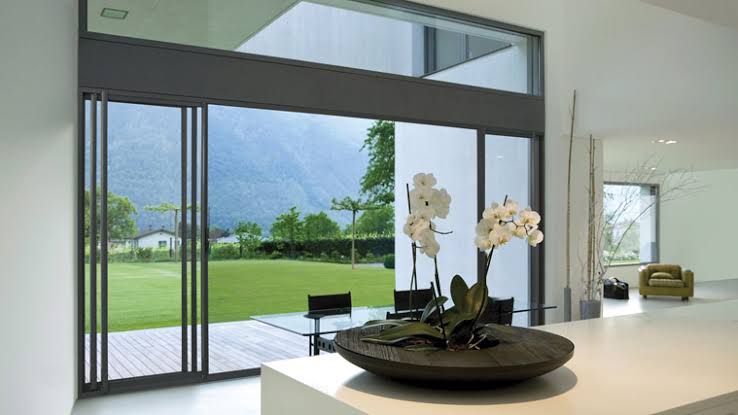
Living across California means dealing with dramatic weather shifts that test every part of a residential structure. Homes near the ocean face constant exposure to salty air, marine moisture, and brisk coastal breezes, while properties just a few miles inland endure scorching afternoon sun and wide temperature swings between day and night. Windows and doors sit directly on the front line of these conditions. When they are poorly chosen or improperly installed, homeowners quickly notice peeling finishes, corroded hardware, drafts, fogged glass, and rising utility bills. Understanding how southcoastwindowsanddoorsca.com approaches window and door solutions for diverse California environments gives property owners a practical framework for protecting comfort, efficiency, and long-term value.
Understanding California Climate Stress on Windows and Doors
California is not a single weather zone, and treating a beachfront house the same way as a desert-edge or valley home often leads to premature wear. Along the coast, salt particles settle onto frames, tracks, and locks, speeding up oxidation on inferior metals and degrading weak sealants. Morning marine layers and damp air also linger longer near the shoreline, creating persistent moisture challenges around sills and glass edges.
Move inland and the main enemy shifts toward intense solar radiation and thermal cycling. Frames expand under harsh afternoon heat and contract after sundown when temperatures drop. Over months and years, that continuous movement stresses joints, weakens weatherstripping, and strains sliding tracks. High-performance window and door planning starts by matching materials, glazing, and installation methods to the specific microclimate of the property rather than relying on one-size-fits-all building parts.
Why Coastal Air Demands Corrosion Resistance
Near the water, standard steel fasteners, cheap rollers, and uncoated aluminum components can pit or seize up far faster than homeowners expect. Salt spray accelerates galvanic reaction and surface corrosion, making sliding glass doors feel gritty and casement latches stiff. Selecting corrosion-resistant hardware, marine-grade or well-protected finishes, and durable frame profiles helps keep moving parts operating smoothly despite salty coastal air.
Why Inland Heat Demands Thermal Control
Further inland, direct sunlight pours through glass and heats up interior rooms rapidly. Without proper solar heat gain control and tight perimeter seals, air conditioners must work overtime during peak summer afternoons. Well-engineered frames and insulated glass units reduce heat transfer, helping indoor spaces stay cooler and more even without forcing mechanical systems into constant overdrive.
Material Choices and Glazing That Bridge Both Worlds
A smart window or door upgrade looks at both frame performance and glass technology working together. Insights associated with southcoastwindowsanddoorsca.com highlight how modern materials address the demands of both coastal moisture and inland warmth without requiring constant upkeep.
Vinyl frames are popular across Southern California because vinyl does not rust, rot, or absorb moisture from coastal air, and it resists warping under heavy sun exposure. Multi-chambered vinyl profiles also help limit thermal transfer, supporting steady indoor temperatures. Aluminum remains a favorite for slim sightlines and contemporary architecture, especially when paired with thermal breaks and durable finishes designed to hold up against harsh outdoor conditions. Composite and wood-clad options offer warm interior aesthetics while pairing exterior protection with careful sealing.
Glass packages matter just as much as the frame around them. Low-emissivity coatings reflect unwanted infrared heat while allowing natural daylight to brighten living areas. Insulated double-pane units with warm-edge spacers and tight gas fills reduce condensation risks and limit heat movement between indoors and outdoors. For homes near busy streets or lively neighborhoods, thicker or laminated glass configurations can also quiet outside noise while adding extra reinforcement.
Precision Installation and Weather Sealing
Even a top-tier window or door can underperform if it is crooked, shimmed carelessly, or sealed with rushed caulking. Gaps around the rough opening invite air leaks, water intrusion, and thermal bridging that undo the benefits of quality manufacturing. Proper flashing, level alignment, square operation, and clean exterior and interior sealing are essential so water drains away from the structure and sashes close evenly every time.
Workmanship is especially critical when replacing older units in existing walls. Older homes often hide slight framing irregularities, settling, or past moisture wear that require careful inspection before the new unit goes in. Following industry-recognized installation practices and manufacturer guidelines protects product performance and helps preserve warranty coverage over the life of the installation.
Preventing Air Leaks and Moisture Intrusion
Water intrusion rarely happens all at once; it often begins as a slow trickle behind trim or along a sill during heavy coastal rain or wind-driven storms. Proper sill pans, overlapping flashing layers, and durable sealants direct moisture outward rather than into wall cavities. Meanwhile, tight weatherstripping and compression seals keep conditioned air inside and outside drafts out.
Smooth Operation and Everyday Security
Doors and windows are meant to be opened, closed, and locked hundreds of times a year without tugging or forcing. Square installation keeps rollers aligned on tracks and aligns lock strikes cleanly with frame jambs. Reliable locking hardware and sturdy frame construction also give homeowners greater peace of mind whether they are relaxing at home or away for the weekend.
Planning a Smooth Upgrade Across Southern California
Tackling a window or door project goes much more smoothly when homeowners plan around their home architecture, daily routines, and seasonal weather patterns. Start by walking through each room to note drafty panes, sticky sliders, sun-baked rooms, or faded flooring near glass exposures. Paying attention to which way each wall faces helps clarify where solar shading matters most and where natural breeze or daylight can be maximized.
Setting clear priorities before requesting quotes makes comparing options far easier. Some homeowners focus first on lowering summer cooling costs, while others want quieter bedrooms, easier-to-clean tilt or sliding sashes, or a cohesive look across front entryways and patio openings. Asking clear questions about frame materials, glass ratings, flashing and waterproofing steps, project timelines, and warranty terms ensures no surprises pop up mid-project.
Routine care after installation keeps everything looking sharp and working effortlessly. Rinsing salt buildup and dust off frames and tracks periodically, clearing weep holes so drainage channels stay open, and keeping tracks free of grit go a long way in extending service life. With thoughtful material selection, careful sealing, and steady maintenance, California homeowners can enjoy bright, comfortable living spaces built to handle both coastal salt and inland heat year after year.