The world of blockbuster entertainment transformed significantly when Tom Holland first swung into the Marvel Cinematic Universe. Deconstructing Tom Holland’s Spider-Man Journey — From Homecoming to Brand New Day demonstrates a complex evolution of a character who was at the outset defined by his high-tech mentors. Distinct from previous iterations, this Peter Parker traverses a decade-long coming-of-age story that ultimately leads him to a point of total independence. Within this analysis, we will scrutinize how this narrative path reshapes the Spider-Man mythos for a new audience seeking both spectacle and emotional depth. It is worth noting, this journey serves as a masterclass for long-form character development in an interconnected film series.
Establishing the context for this era necessitated a departure from the traditional origin story. By skipping the radioactive spider bite, the producers empowered the audience to focus on Peter’s emotional struggle to balance high school life with cosmic threats. This strategy demonstrates that the character’s essence is not found in his powers, but in his unwavering desire to do the right thing despite immense odds. Moreover, the transition from the bright tones of Homecoming to the darker reality of the Brand New Day reset signals a deep maturation of the franchise itself. Fans regularly cite this specific pathway as the most unified version of the Wall-Crawler’s life ever captured on screen.
Directorial and Cinematographic Style of the Trilogy
Handling the technical aspects of Tom Holland’s Spider-Man Journey — From Homecoming to Brand New Day necessitated a specialized partnership between two major studios. In terms of production, the blending of Marvel’s energetic storytelling with Sony’s massive visual effects infrastructure created a milestone for the genre. In particular, click here,read more,visit website,learn more,this site,check it out,дивитись тут,детальніше,перейти на сайт,дізнатись більше,тут,за посиланням,на сайті,дивіться тут,more info,read this,visit this page,повний список,see more,джерело the evolution of the Spider-Man suits shows the jump in CGI technology from 2016 to the present. Design experts utilized cutting-edge motion capture techniques to assure that Holland’s physicality was flawlessly translated to the digital double. This technical rigor ensures a unbroken experience during the high-octane web-slinging segments.
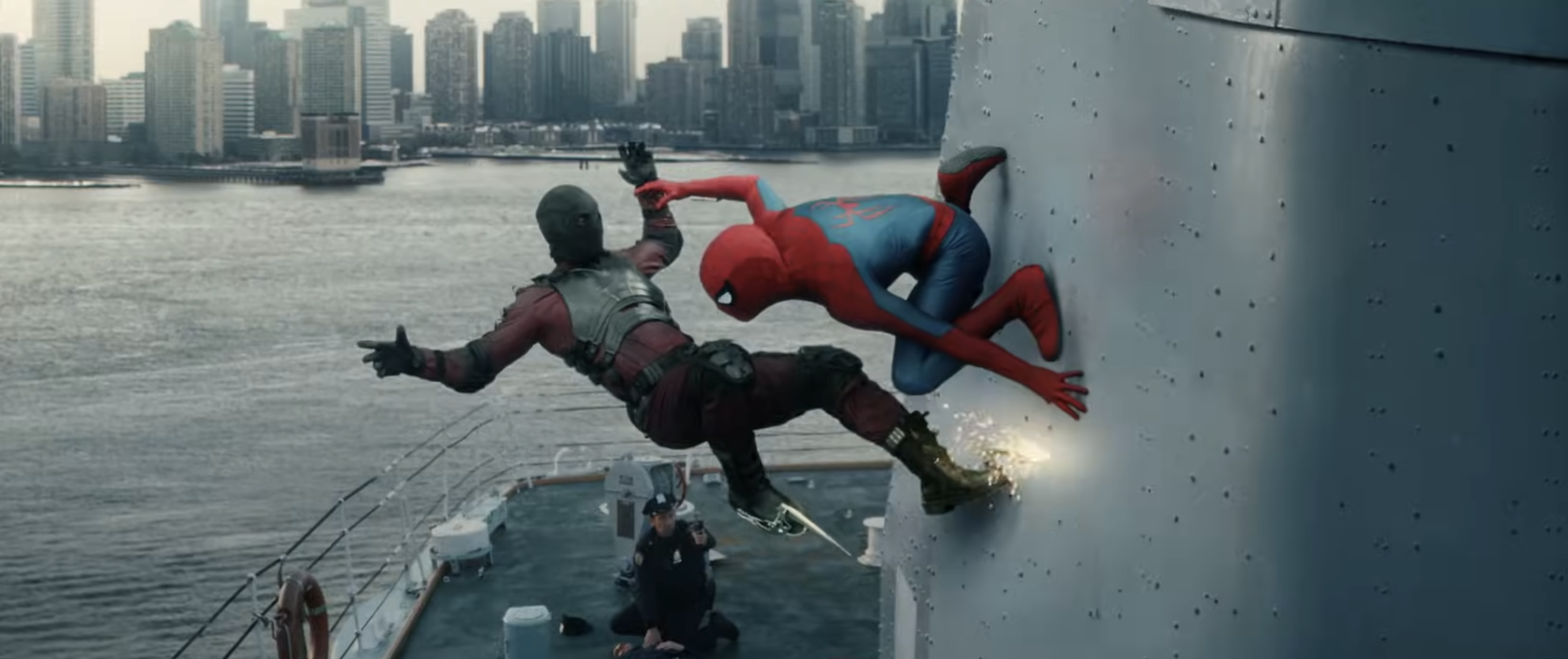
In addition, the directorial vision of Jon Watts highlighted a grounded camera style that contrasts with the more stylized approach of previous directors. By using long takes and dynamic camera movements, the trilogy portrays the frantic nature of Peter Parker’s life. Film experts regularly point to the ferry scene in Homecoming as a perfect illustration of real-world stunt work improved by digital wizardry. It is crucial to recognize that the lighting also evolves throughout the trilogy, paralleling Peter’s growth. Basically, the technical performance of these films delivers a dependable visual language that connects the entire MCU experience.
Guide to Tracking Peter Parker’s Growth Across the MCU
To fully appreciate the narrative depth of Peter’s story, one must view the films in a specific sequential order. The timeline commences with his brief debut in Captain America: Civil War, which establishes his relationship with Tony Stark. Moving forward, Spider-Man: Homecoming provides the first detailed look at his daily life, where the stakes remain mostly local. Navigating this arc requires an understanding of how Peter’s goals to join the Avengers gradually conflict with the harsh realities of being a hero. Audiences should pay close attention to the nuanced changes in his maturity during these early chapters.
Transitioning to the high-stakes scale of Infinity War and Endgame, Peter’s role increases notably. At this stage, he faces profound loss, which serves as the driving force for his actions in Far From Home. Crucially, the jump from battling Thanos to managing the legacy of Iron Man establishes his character’s duty. In the end, No Way Home completes the first cycle, directing him toward the Brand New Day status quo. Tracking this progression helps the observer to see the shift from a mentored sidekick into a independent icon.
Comparing the Highs and Lows of the Trilogy
Though Holland’s performance is broadly praised, the MCU’s interpretation on the character has its evident advantages and limitations. On the positive side is the exceptional chemistry between the main stars, which adds realism into the Peter-Ned-MJ relationship. In addition, the films efficiently illustrate the awkwardness of adolescence better than any previous version. However, the constant reliance on Iron Man’s legacy has been a source of debate for longtime fans. Observers consistently argue that this weakens Peter’s autonomy as a self-made hero.
An additional point of debate is the rhythm of the narrative arc. Certain fans feel that the cosmic elements in the final film dwarf the more grounded elements established earlier. On the flip side, the thematic payoff in the final act of No Way Home resolves many of these critiques by stripping away the support systems. Essentially, the power of Tom Holland’s Spider-Man Journey — From Homecoming to Brand New Day lies in its boldness to deconstruct the hero before reconstituting him. Though the trilogy at times falters with its brand obligations, it presents a gripping look at modern heroism.
Final Verdict on Tom Holland’s Web-Slinging Legacy
Finalizing our comprehensive look at this era, it is obvious that Tom Holland has anchored his place as a definitive Peter Parker. By evaluating this version against the past incarnations, we find a more calculated character arc that spans six film appearances. Movie enthusiasts will respect the Brand New Day ending as a bold reset that starts fresh. Looking to the next phase, the likelihood of a street-level Spider-Man suggests a return to the character’s fundamental origins. Ultimately, this journey represents a remarkable example of strategic franchise planning and kinoafisha.com.ua authentic storytelling.
The influence of Tom Holland’s Spider-Man Journey — From Homecoming to Brand New Day will resonate for years within the film industry. By effectively balancing the requirements of a colossal cinematic universe with relatable stakes, the trilogy sets a new standard for successors. Critics should expect that the outcomes achieved here will guide future iterations of other legendary heroes. No matter if you prefer the high-tech start or the traditional finish, there is no doubt that Holland’s performance is unforgettable.
Frequently Asked Questions About Holland’s Spider-Man
Q: What does Brand New Day mean for Peter Parker’s future?
A: Regarding the MCU, this term denotes a total narrative reboot. After the events of No Way Home, Peter is completely alone, indicating the next films will focus on his classic adventures without Avenger support.
Q: How does Tom Holland’s Spider-Man Journey — From Homecoming to Brand нові фільми в хорошій якості New Day compare to Tobey Maguire’s?
A: Holland’s arc is substantially longer and more linked with other heroes. Whereas Maguire’s Peter was a standalone hero from the start, Holland goes through a lengthy transition from a protege to a standalone protector.
Q: Is Tom Holland’s Spider-Man Journey — From Homecoming to Brand New Day considered a complete story?
A: Absolutely, the Homecoming Trilogy is seen as a complete introductory cycle. It meticulously details his rise from a youthful teen to the battle-hardened hero seen at the end of the third film.
Q: Which movie is the most critical to his development?
A: Several critics believe that No Way Home is the pivotal moment. It is the stage where Peter embraces the full weight of consequence without any safety net.
Q: Will there be another trilogy after the Brand New Day reset?
A: Industry buzz suggest that a second trilogy is being planned. This new chapter will probably explore Peter’s college years in a more realistic New York setting.
Q: Why did Peter Parker lose his Stark technology?
A: The narrative reason was to compel the character back to his fundamentals. By eliminating the high-tech gadgets, the filmmakers made certain that Peter must rely exclusively on his own wits to survive.

